Cycling infrastructure that benefits everyone
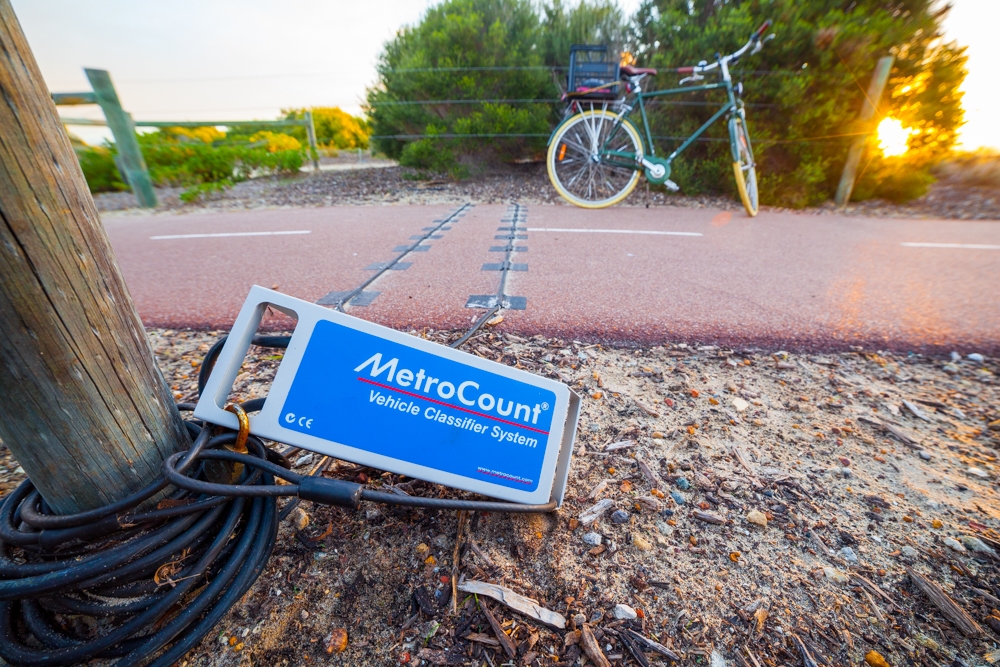
Tegan Mitchell and Ben Beck spoke about behavioural change and reallocating road space. The timing was hard to ignore. We've just finished installing 26 permanent RidePod BP sites for the City of Sydney, including Pitt Street and the new Oxford Street cycleway, so the questions they were raising are ones we're actively helping councils answer.
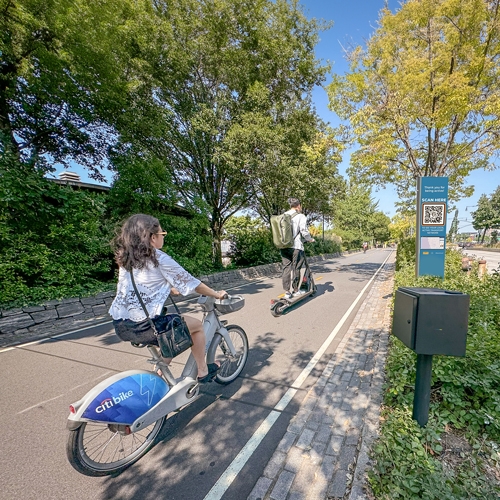
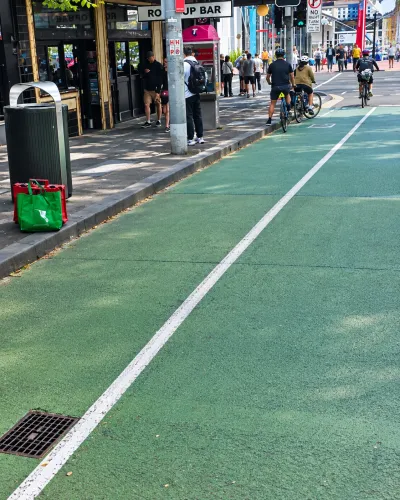
The point that stayed with me was Tegan's, on the benefits nobody puts in the business case which was that more outdoor dining, and pedestrians finding it easier to cross the road. It's an easy thing to overlook. We tend to frame a bike lane as something for cyclists, when in practice good active transport infrastructure reshapes the street for everyone who uses it. If we only measure the bikes, we miss half the story.
Dr Elliot Fishman and Brian Westley then turned to regional city transport planning, with Bendigo as the case study. For anyone working outside the capital cities, it was a grounded, practical look at how regional networks actually come together.
Why bike monitoring data gets projects funded
What struck me most was the energy in the room around long-term bike plans, and the conversations that carried on afterwards. There's a real appetite for this work but unfortunately, appetite doesn't build cycleways. Funding does, and funding requires evidence.
Consistent monitoring is what lets a council show a trial worked, defend the spend, and make the case for the next stage. Reliable before-and-after bike counts turn "we think it helped" into something you can put in a funding submission. We held the Department of Transport and Planning Victoria bicycle network monitoring contract for more than ten years, and across that time the pattern was clear, the places that measured well were the places that could keep building. Data is what turns a good idea into one worth funding, and a temporary trial into a permanent piece of the network.
Bike monitoring for your active transport plan
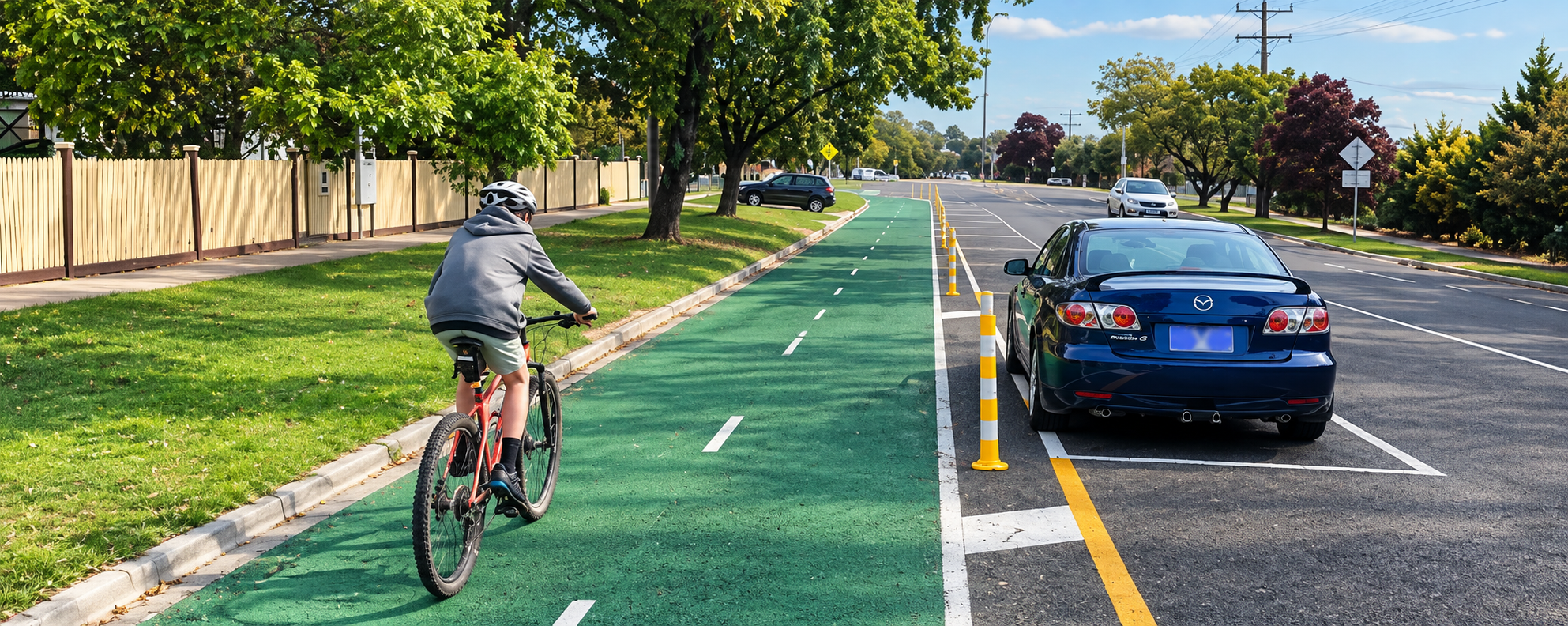
Whether your monitoring is long-term or short-term, the right active transport data does two things at once. It tells you what's genuinely happening on your network, and it gives you the story you need to build the case for better walking and cycling.
If you're thinking about bike monitoring for your network, please get in touch.
Got a great MetroCount story? Share it with us and let the world know the great work you're doing in your community.